Balance is where the design proves it can actually fly. This section validates the center of gravity and static margin so the airplane starts from a stable, controllable first-flight baseline, then places the landing gear so takeoff, rotation, and landing behavior remain predictable.
Stability doesn’t come from shape alone. It comes from where things sit.
A well-shaped airplane can still fly badly. The wing may be sized correctly. The fuselage may have clean proportions. The tail may be placed far enough back to do its job. But until the airplane is balanced, those choices remain unproven.
Balance is the validation step of the design. It checks whether the main forces of the airplane line up in a way that can produce predictable flight. The question is no longer only what the airplane looks like, or how large each surface is. The question is where the reference points sit relative to each other.
From shape to position
This is where the design becomes less visual and more positional.
The first-flight CG is found by combining aerodynamic references into a neutral point, then leaving the right amount of static margin ahead of it. Landing gear brings the same logic back to the ground, where the airplane must sit, roll, rotate, and land without fighting its own balance.
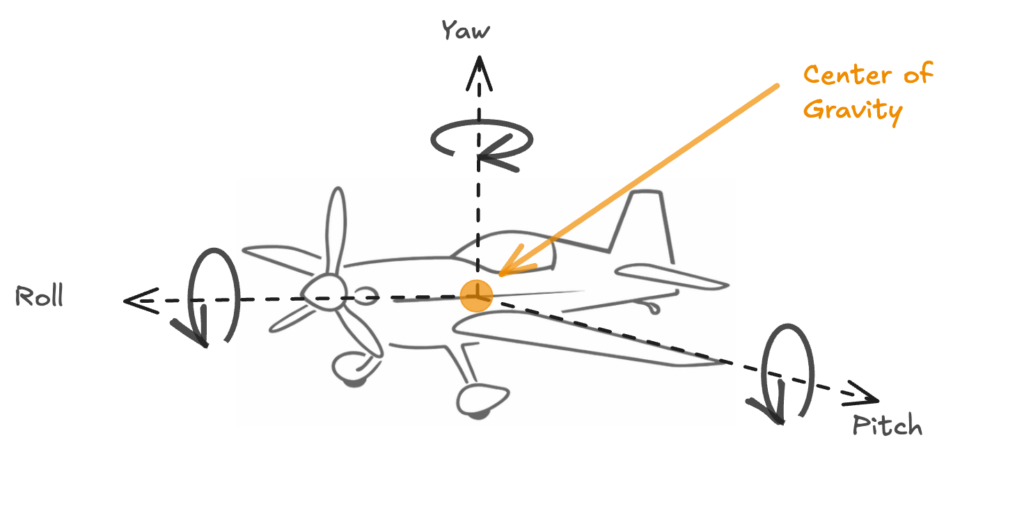
Small changes matter here. Moving the center of gravity by only a few percent of the wing chord can turn a comfortable airplane into one that feels nervous, heavy, or difficult to recover. The shape did not change. The balance did.
The validator of the design
That is why this chapter comes after the wing, fuselage, and tail. Those parts define the airplane. Balance checks whether they agree.
Get this part right, and the airplane does not become perfect. But it becomes understandable. It gives the pilot a fair starting point, the tail a useful job, and the whole design a better chance of flying the way it was meant to fly.
RC Plane Designer evolves as chapters are refined and connected.
The project began as a personal notebook used while designing scratch-built RC airplanes.
If you are learning from it or building with it, your feedback helps shape what comes next.
Follow the project or get in touch.